
How Media Shapes a Restaurant’s Reputation
Digital advertising delivers reach, but media builds trust, reputation and authority. For restaurants, strong press relationships, local coverage, reviews and awards shape perception, strengthen visibility and support long-term growth.
By Ben F. Oncu
The role of conventional media has changed dramatically. Newspapers, magazines, television and radio were once among the main ways businesses reached large audiences. Today, social media, Google Ads, search marketing and AI-powered platforms can often reach targeted customers faster and more precisely.
A London restaurant can advertise directly to people nearby who are interested in Asian cuisine, fine dining, vegan food or weekend dining. Conventional media cannot compete with digital advertising at this level of targeting.
So what is media for today?
Its greatest strength is no longer simply reach. Its power lies in trust, credibility, reputation and perception.
You Can Buy Reach, But Trust Must Be Built.
Advertising tells people what a business says about itself. Independent media tells people what others say about that business.
Every restaurant can claim to offer excellent food and outstanding service. Consumers recognise those messages as advertising. But when a respected journalist, critic, newspaper or magazine speaks positively about a restaurant, that recognition carries greater credibility.
A review, interview, award or feature can therefore influence how people see a restaurant before they even walk through the door.
Media Shapes Perception*
Customers rarely choose restaurants without researching them first. They search Google, check Instagram, read reviews, visit websites and increasingly ask AI platforms for recommendations.
If they repeatedly encounter positive reviews, awards, interviews and magazine features, the restaurant begins to appear established, respected and trustworthy.
Media Does More Than Create Visibility — It Shapes Perception.
The opposite is also true. Negative stories, poor reviews or badly handled controversies can remain visible online for years. Media relations should therefore be considered part of long-term reputation management, not simply a way of generating occasional publicity.
Local Media Still Matters
National newspapers and major publications can provide considerable prestige, but restaurants should never underestimate local and regional media.
Restaurants are fundamentally local businesses. A regional magazine or city newspaper may reach fewer people than a national title, but its audience may be far more relevant.
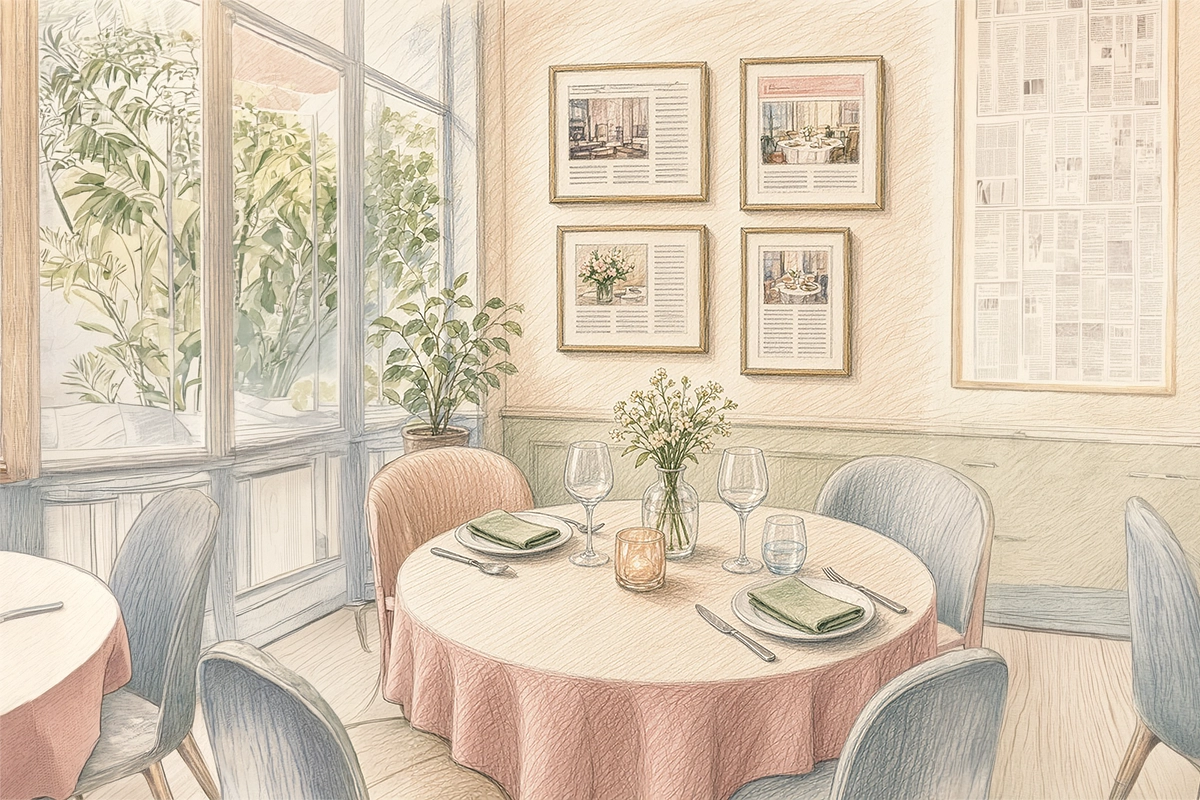
Customers also notice signs of recognition. Awards, framed reviews and press cuttings displayed inside a restaurant create an immediate impression that the business has been noticed and respected.
Many Five Guys restaurants, for example, display reviews and media quotations on their walls. Some come from major publications and others from smaller outlets. Together, they create an impression of widespread recognition.
Restaurants should therefore build a media footprint rather than waiting for one major article.
One Media Feature Creates Visibility; Consistent Coverage Builds Reputation.
Search your restaurant’s name online. Does the result show only your website, Instagram page, Tripadvisor listing and delivery platforms? Or does it also show independent reviews, chef interviews, awards and news features?
A restaurant with broader independent coverage can immediately appear more established.
Today’s Press Becomes Tomorrow’s Search Result
Modern media coverage has a long life.
An article published today may remain visible in Google searches for years. Increasingly, online information may also influence how restaurants and chefs are discovered through AI-powered platforms.
Today’s Media Feature Can Become Tomorrow’s Google Or AI Search Result.
This means a good article is no longer simply temporary publicity. It becomes part of the restaurant’s digital history and reputation.
Give Journalists Something Worth Writing About
Journalists need stories.
Simply telling an editor that your restaurant serves excellent food is unlikely to generate coverage because every restaurant makes similar claims.
Instead, identify genuine stories: a new opening, chef appointment, unusual dish, anniversary, award, charity project, refurbishment, collaboration or expansion.
The chef’s personal journey can also provide a strong angle — international experience, family recipes, regional traditions or an unusual route into hospitality.
Create Something Worth Talking About — Then Give The Media A Reason To Talk About It.
Restaurants should also make information easy to find. A professional website should ideally include the restaurant’s story, chef biographies, good-quality photographs, awards, previous press coverage and clear contact information.
Good relationships with journalists should begin locally and be based on relevance and professionalism rather than constant promotional emails.
Make Media Coverage Work Harder
Once a restaurant receives positive coverage, it should continue using it.
A strong quotation can appear on the website, menu, newsletter, social media or advertising. A magazine review can be displayed inside the restaurant. A chef interview can be shared again when relevant.
The entertainment industry has done this for generations. Film posters feature critics’ quotations, West End theatres display reviews and publishers place media praise on book covers.
Restaurants can do the same.
Good Media Relations Turn Press Coverage Into Long-Term Brand Value.
Digital marketing and media relations perform different jobs.
Use digital advertising to reach people.
Use social media to communicate with them.
Use customer reviews to reassure them.
Use search to help them find you.
Use independent media to build trust and strengthen your reputation.
Of course, media cannot permanently compensate for poor food or bad service. There must be something genuinely good behind the publicity.
But excellent food that nobody knows about presents another problem.
The strongest strategy combines a good product with visibility, credibility and consistent storytelling.
About Ben F. Oncu
Ben F. Oncu is a London-based media entrepreneur, publisher and digital business strategist with more than two decades of experience in journalism, publishing and digital transformation.
As founder of NewYox Media Group, he has developed an international publishing network covering food, literature, business, travel, culture and the arts.
He is also the author of Restaurant Marketing Blueprint, a practical guide to building and growing restaurant businesses, available through major booksellers including Amazon and Waterstones.
His academic background includes studies in Communications and Journalism at the College of Saint Rose, an MS in Publishing from New York University and further study in Digital Transformation at MIT.
*George Gerbner’s cultivation theory