Image Credit: Unsplash
Old-world cooking celebrates seasonal ingredients, traditional techniques and regional flavours, demonstrating how simplicity, quality and craftsmanship preserve culinary heritage while inspiring modern kitchens to embrace authenticity, sustainability and timeless traditions.
O ld-world cooking earns its character through close attention to ingredients, place, and technique. Recipes may look modest on the page, yet each choice carries weight, from the ripeness of a tomato to the resting time of fresh pasta dough. This style of food also reflects generations of practical knowledge shaped by local seasons and available produce. Understanding those foundations can help you recognize thoughtful heritage cooking in a restaurant and bring some of its principles into your own kitchen.
Simplicity Built on Uncompromising Quality
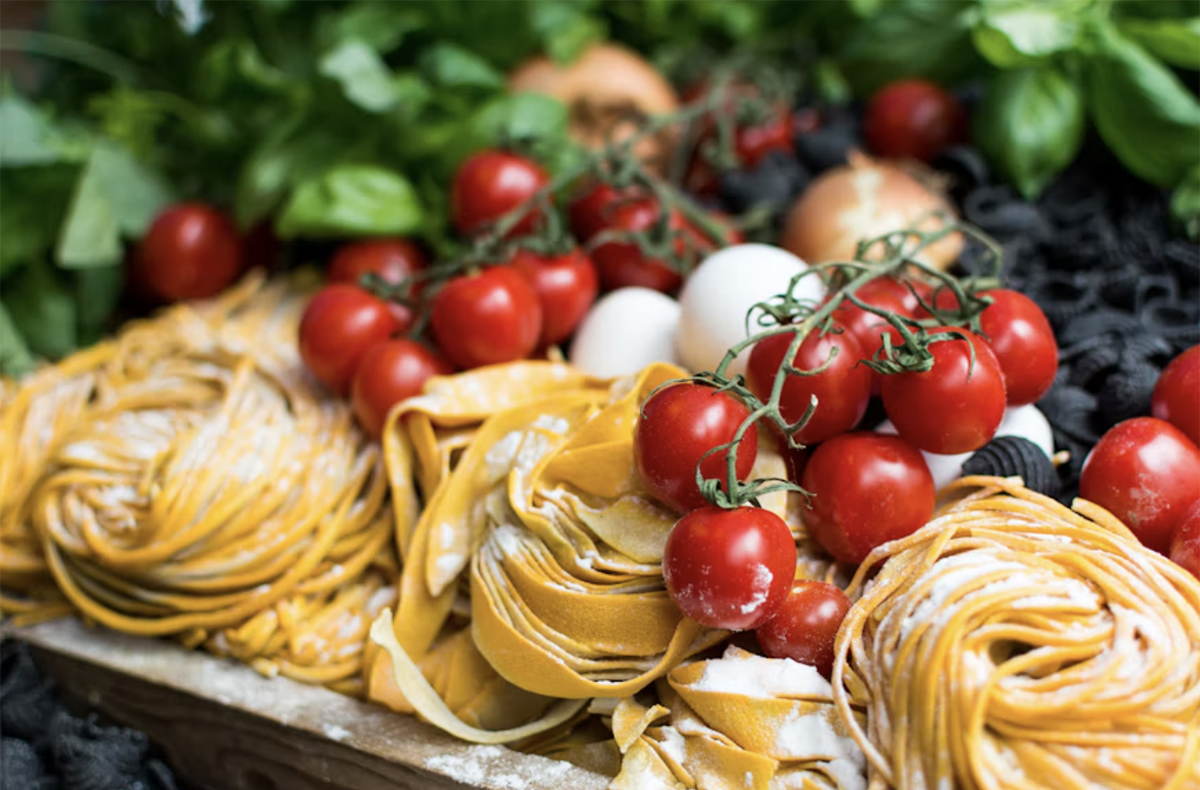
Traditional dishes often depend on a short ingredient list, which leaves nowhere for poor quality to hide. A tomato sauce built from tomatoes, olive oil, garlic and salt succeeds only when each component tastes good on its own. The same principle applies to bread, fresh pasta and slow-cooked vegetables.
When choosing an Italian restaurant, look for seasonal menus and dishes that name their central ingredients clearly. At home, spend your budget where flavor is most noticeable. Buy ripe produce in its natural season, grate hard cheese when you need it, and taste olive oil before using it. Good heritage cooking starts with careful selection, then asks the cook to interfere as little as possible.
Culinary Wisdom Passed Down Generations
Culinary heritage survives through repeated actions: kneading dough until it feels right, judging a sauce by its sound in the pan and knowing when beans have reached a creamy texture. Written recipes help, but they rarely capture every sensory cue. A useful culinary heritage guide explains how food traditions carry community identity while facing pressures from migration, commercialization, and changing habits.
You can preserve this knowledge by cooking alongside an experienced relative or local teacher. Ask why each step matters and record details such as pan size, dough texture, and approximate heat level. Photographing key stages can be more useful than writing “cook until done,” especially when you return to the recipe months later.
Preserving Craft in Modern Kitchens
Modern equipment can support traditional craft when it improves consistency without erasing the cook’s judgment. A digital scale makes bread formulas easier to repeat, while an oven thermometer reveals temperature differences that may affect a slow bake. Food processors save time, though hand-cut herbs and vegetables often retain a more deliberate texture.
Ancient cooking also offers more than nostalgia. Surviving Mesopotamian recipes date back roughly 4,000 years, as discussed in this review of ancient kitchen traditions. Their existence shows how long people have documented flavor, hospitality, and technique. Start with one craft, such as pasta shaping or stock making, and practice it several times before changing the method.
How Terroir Dictates Every Flavor Profile
Terroir describes the influence of soil, climate, altitude, and local conditions on an ingredient. The idea is often associated with vineyards, but it applies equally well to tomatoes, olives, cheese, herbs, and grains. A sun-ripened coastal tomato may offer bright acidity and sweetness, while the same variety grown in a cooler area can taste firmer and more restrained.
Pay attention to origin when comparing ingredients. Try two olive oils side by side on plain bread, or cook the same simple bean dish with different regional varieties. Keep the seasoning identical so you can spot changes in bitterness, fragrance, and texture. This small exercise makes terroir tangible and helps explain why heritage recipes stay closely connected to their place of origin.
Why Fewer Elements Create Greater Impact
A focused plate gives each flavor room to register. Think of handmade pasta with butter and sage, ripe melon served at its seasonal peak, or white beans finished with olive oil and herbs. These dishes feel complete because their ingredients support a clear central idea.
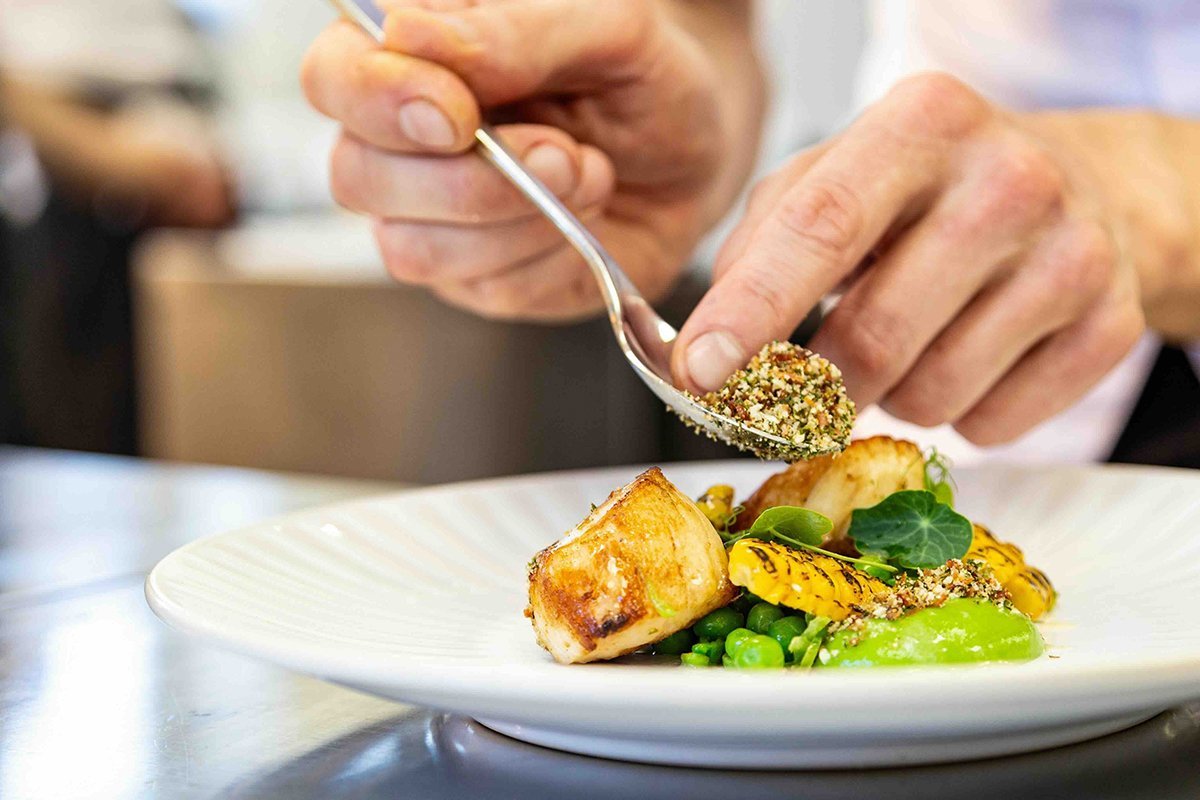
Use restraint as an editing tool in your own cooking. Before adding another garnish or seasoning, taste the dish and identify what’s missing. It may need salt, acidity, moisture, or more cooking time, not another ingredient. Serve food at the correct temperature and choose a plate that fits the portion without crowding it. The most convincing heritage dishes often finish with one precise detail: a spoonful of sauce, freshly grated cheese, or a few aromatic leaves added at the table.
That final moment captures the appeal of old-world cooking. A familiar dish arrives with nothing extraneous, yet the quality of the produce and the care behind each step remain unmistakable, helping redefine seasonal dining through simplicity, authenticity, and respect for regional ingredients.