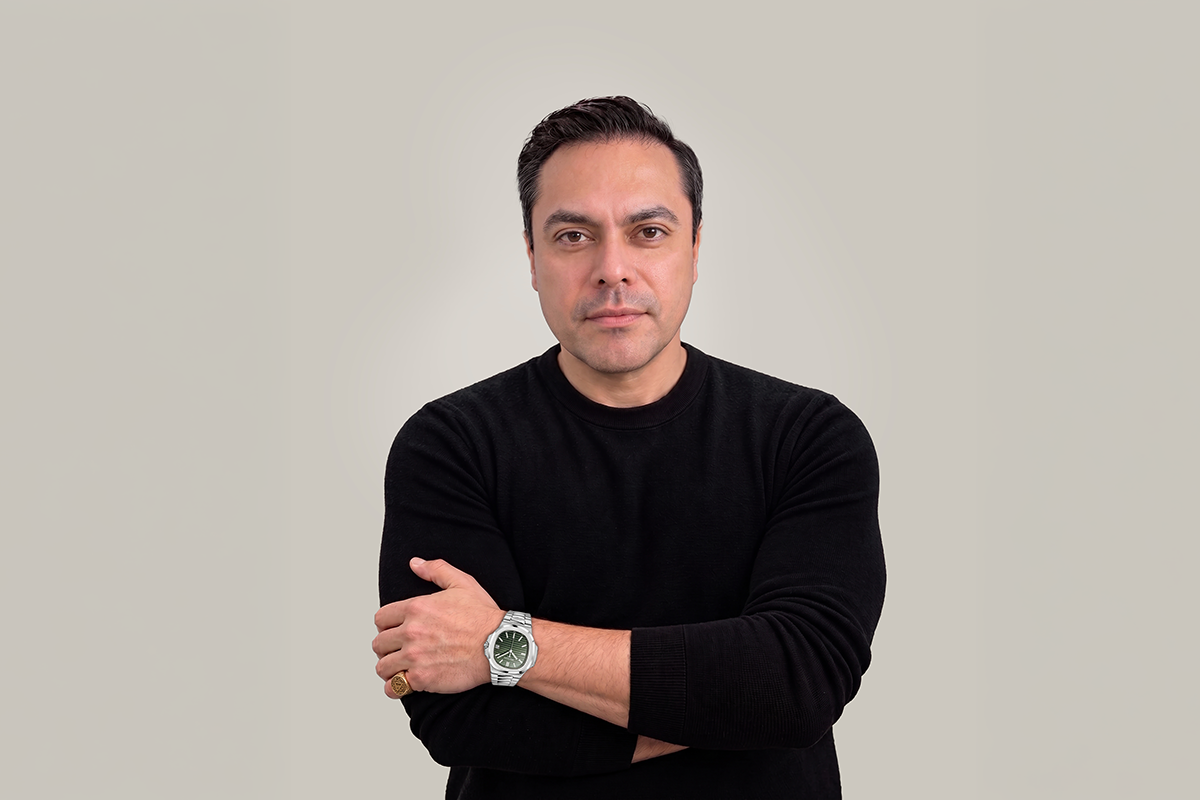
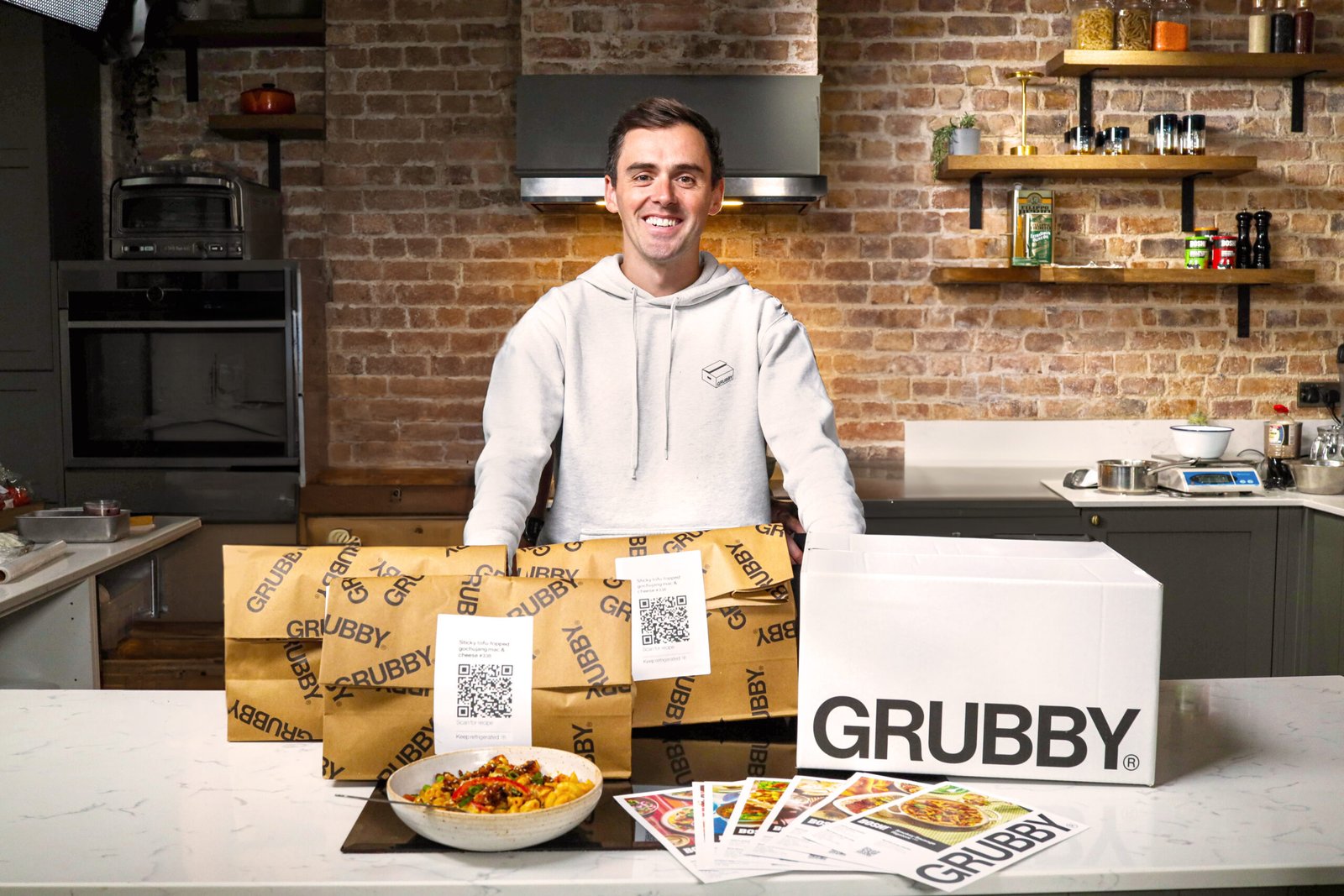
GRUBBY founder Martin Holden-White discusses plant-based cooking, flexitarian customers and lessons from rapid growth, explaining how flavour, convenience, customer loyalty and financial discipline shape his ambitions for a lasting business.
A good dinner has to earn its place in a busy week. For Martin Holden-White, that means food that delivers flavour, feels achievable and leaves people pleased that they cooked. GRUBBY’s founder calls the idea “The Foodie Cheat Code”: an invitation to put more plants on the plate without making dinner feel like a compromise.
His ambitions extend beyond the recipe card. In this interview, Holden-White discusses a period when the business came close to running out of money, the changes that followed and his belief that profitability matters more than the size of a funding round. He also explains why meal kits and ready meals can serve the same household at different moments.
From hand-delivering boxes by bike to leading a growing team, his account is rooted in the practical work of making a product people want to order again. The answers that follow are attributed to Martin Holden-White, founder of GRUBBY.
Grubby began with a simple ambition to make plant-based cooking easier and genuinely enjoyable. Has your personal definition of Grubby’s mission changed as the company has grown?
The core of our mission has always been about putting more plants on plates. This hasn't changed, but our approach has. Today, our brand strategy centres on being "The Foodie Cheat Code."
We’re not here to preach or ask anyone to compromise – we’re providing an effortless shortcut to vibrant, incredible food that happens to be plant-based, and great for your health and well-being. GRUBBY is about making plant-first eating the most rewarding choice on the menu every week.
You’ve experienced rapid growth as well as some challenging periods along the way. What have those moments taught you about what sustainable growth really means?
It taught us that growth at all costs is a false promise and we realised this just in time. The early playbook in our sector was burning cash on acquisition before unit economics were fully understood.
After coming very close to going bust, we managed to turn things around by focusing on product quality, retention, and lean operations. We should reach £6m in revenue by the end of this year, growing around 20-25% and crossing into sustainable profitability. We now want to build a business in control of its own destiny, not one reliant on the next round of capital.
The plant-based sector has gone through huge excitement and considerable change in recent years. What do you think the industry got wrong during the initial boom, and where do you see the biggest opportunity today?
The initial hype over processed meat alternatives. In reality, there was only ever going to be room for a few long-term winners in that specific space, which is why category consolidation was inevitable, much like what we’ll see with the current wave of AI companies.
The biggest opportunity today though isn't just mimicking meat – it's celebrating whole foods, gut health, and high protein and fibre rich products that deliver on flavour and texture. At the end of the day flexitarians just want tasty, healthy (most of the time) meals.
Grubby puts a strong emphasis on flavour. When developing a new dish, what has to happen before you personally feel it deserves a place on the menu?
Ultimately, it has to earn its place in the ‘Foodie Cheat Code’, first by delivering on flavour in under 30 minutes, with as little faff as possible. Second, it needs to hit high nutritional benchmarks, packing high plant points, protein and fibre. Third, it must land within our strict margin targets, so we never compromise on great quality produce. If it doesn't make cooking feel fast, fun, and like you’ve achieved more than you thought you would in such a short space of time then, it probably won’t make the cut.
Grubby has expanded beyond meal kits into ready meals. How important is that move to the long-term future of the business?
It’s central to our multi-meal vision. Meal kits are brilliant for when you have time to cook, but life gets busy. Adding high-quality "Heat & Eat" ready meals into one flexible subscription removes friction completely. It has allowed us to appeal to new customer demographics, from quick lunches to post gym meals in minutes. We believe this will significantly drive retention and customer lifetime value as we offer more convenience to our customers.
Do you think Grubby’s future customer is necessarily vegan, or is the bigger opportunity in encouraging more people to choose plant-based meals several times a week?
Around 80% of our customers aren't vegan, and that’s where the real opportunity lies. The future is the flexitarian majority: everyday households who want to eat healthier but still eat great tasting food without taking on a rigid identity. Plant-based eating shouldn't be about restriction or labels; it should just be great food that fits effortlessly into daily life.
Convenience is becoming increasingly important in the way people eat. How do you balance speed and simplicity with quality, nutrition and the use of wholefoods?
Mainly through having a great full-time recipe dev team, but also through using the best tasting ingredients we can find and making the ingredients do the work. It’s cliche but it’s true. A good meal is only as good as the ingredients you put in it, and then it’s just about drawing out as much flavour as possible with that foodie know-how.
Grubby is a certified B Corp. How do you make sure sustainability remains part of everyday business decisions as the company continues to grow?
We make it just part of how we operate, and it helps when our product is in itself incredibly sustainable and zero waste. Using the right materials is key too, and we also allow customers to track their individual carbon footprints for every recipe, as well as donating a child's meal for every box sold through a charity we work with in Uganda called 1morechild. Because impact is built directly into what we do, every time we scale revenue, our positive impact scales alongside it.
You have experienced the pressures of fundraising and rapid expansion. What advice would you give to a young founder who believes raising more investment automatically means greater success?
Raising money is hard, stressful but it has ultimately allowed us to scale. However, large funding rounds usually just magnify underlying operational issues if your unit economics and customer retention aren't rock solid. So, I’d say it’s important to obsess over product quality, customer retention, and healthy gross margins early on. Treat profitability as the ultimate measure of success. We raised through a combination of angels, VC, crowdfunding and government grants. Explore every avenue possible and use other founders who’ve been through it before to help you.
As Founder and CEO, how have you personally had to evolve from being the entrepreneur doing almost everything yourself to becoming the leader of a growing team?
In the early days, I was packing boxes and hand-delivering orders on a bike. Evolving into CEO meant moving from execution to setting clear strategic direction, establishing guardrails, and protecting team bandwidth. My focus now is much more on strategy, empowering our brilliant leadership team, aligning everyone around our core priorities, and maintaining a great culture that’s ambitious and agile as we scale toward our 2030 targets.
Beyond revenue and customer numbers, what tells you that Grubby has genuinely become part of people’s everyday lives?
Seeing Grubby boxes in people’s recycling is always quite a thrill. But to be honest it’s the customers who order basically every week of the year without fail, seeing that number grow of those who basically use Grubby as their primary way of cooking and eating is what I care most about.
If we meet again five years from now, what would need to have happened for you to feel that Grubby has achieved what you originally set out to build?
We’ll have built a highly profitable business at least 5x the size we are now, while staying true to our B Corp values, proving that plant-based eating can be the most exciting, effortless, and loved food choice for hundreds of thousands of households across the UK.
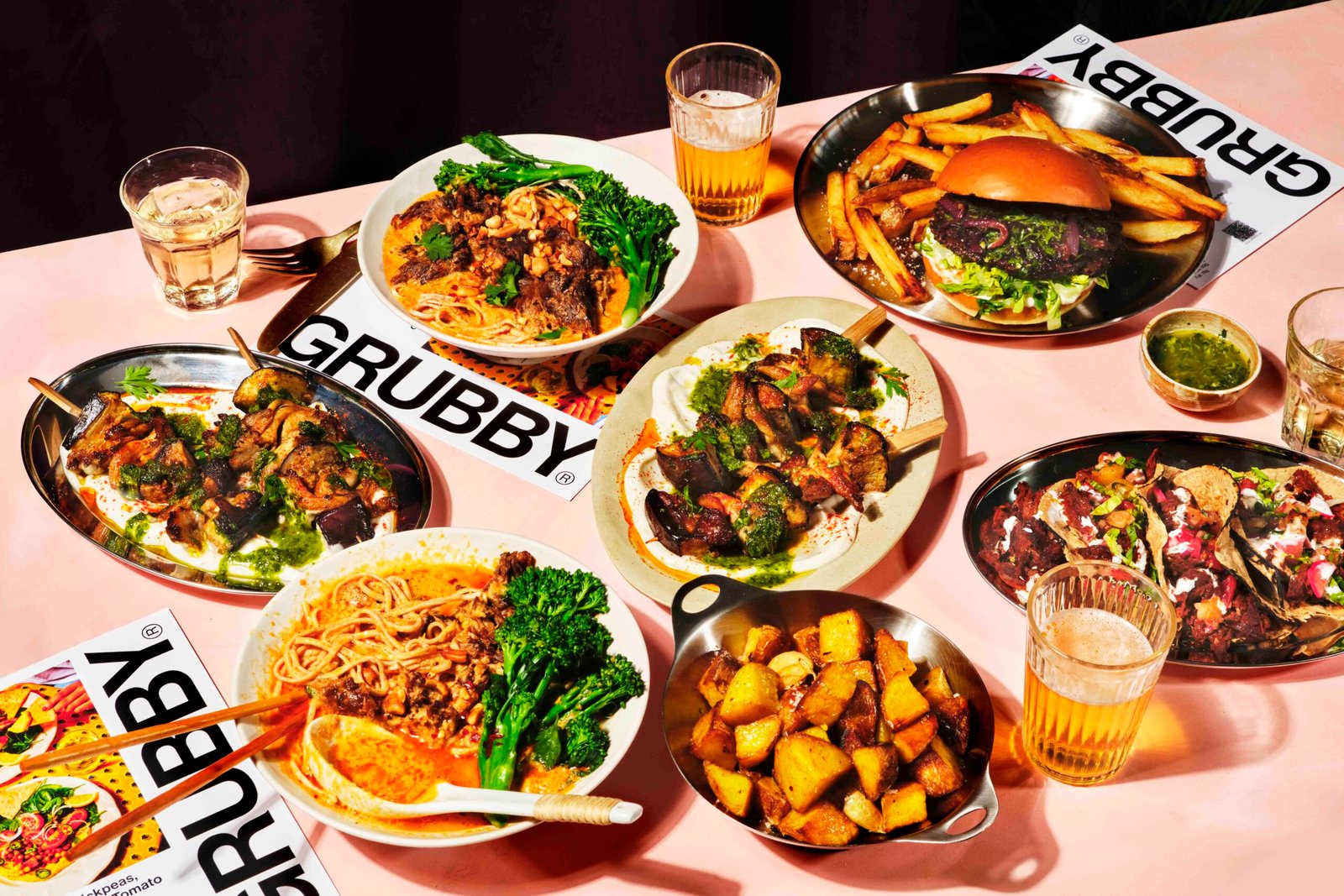
GRUBBY and Mildreds: a London collaboration
GRUBBY’s 2026 collaboration with Mildreds brought a familiar London dining-room idea into the home kitchen: plant-based food should be full of character. The partnership’s second edition featured nine dishes, including four Mildreds classics new to the collaboration and five returning favourites.
The delivery window ran from 1 to 28 October 2026. Rather than presenting the collection as a current offer, it provides a useful example of the way GRUBBY translates restaurant inspiration into recipes designed for an ordinary evening at home.
The new dishes included Chipotle Tinga Tacos, Mushroom and Aubergine Shawarma, Smoky Mushroom Prime Patty and Shiitake Peanut Laksa. Returning recipes ranged from Sri Lankan Coconut Curry with Sweet Potato and Pineapple Sambal to a Portobello Mushroom Pot Pie with Thyme Pastry.
For Holden-White, the attraction was making dishes associated with a restaurant visit feel achievable during the working week. The supplied announcement described pre-portioned ingredients, step-by-step instructions and recipes ready to serve in around 30 minutes.
Mildreds first opened on Greek Street in Soho in 1988. Its long association with adventurous vegetarian and, later, entirely plant-based food gives the collaboration a distinctly London connection. GRUBBY supplies a different setting: the customer’s own kitchen, with the recipe and ingredients arriving together.
The collaboration illustrates a theme running through the interview: convenience can invite people towards plant-based cooking through appetite and enjoyment. The business challenge is to make that experience consistent enough that customers want to come back.