The Chef Behind Chef’s Greatest Plates Shares His Journey, Passion for Seafood and the Future of Modern Gastronomy
Michelin-trained chef Matthew Jenkins discusses his culinary journey, seafood expertise, plating philosophy, sustainability, social media’s influence, and his ambitious plans to expand Chef’s Greatest Plates into a global culinary brand.
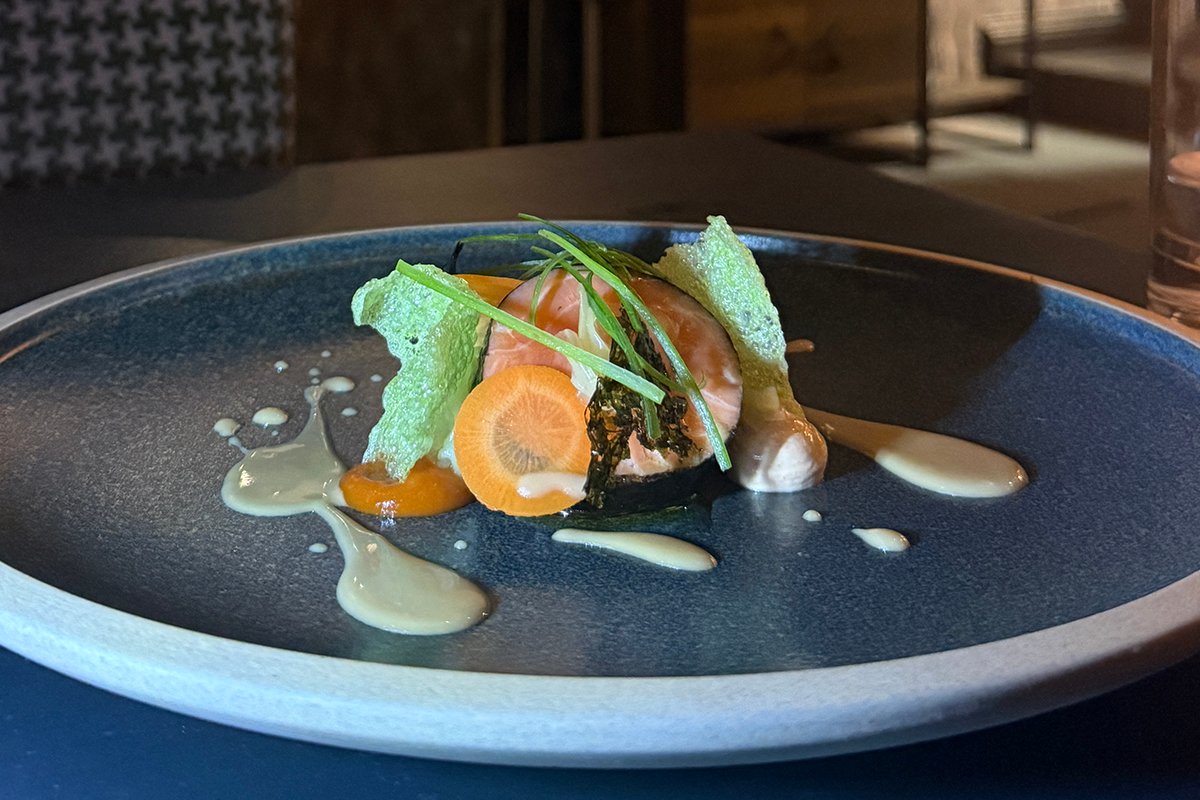
In the world of fine dining, perfection is measured in millimetres. Few people understand that better than Matthew Jenkins—chef, seafood specialist, and founder of Chef’s Greatest Plates, home to the world’s largest digital archive of Michelin-starred plating, with more than one million images inspiring chefs across the globe.
Having trained in Michelin-starred kitchens and built one of the fastest-growing culinary platforms on social media, Jenkins has become a respected voice on craftsmanship, presentation and the evolving art of modern gastronomy. In this exclusive interview with Taste London Magazine, he reflects on the discipline of fine dining, his lifelong passion for cooking fish, the influence of social media on today’s chefs, and the exciting future of his rapidly expanding culinary brand.
Highlights
- Began his culinary career after discovering fine dining while working in a luxury hotel.
- Learned classical French cuisine and pastry under an influential mentor.
- Worked in Michelin-starred kitchens that shaped his discipline and cooking philosophy.
- Developed a reputation for exceptional seafood cookery.
- Shares practical advice for cooking fish at home.
- Believes stone bass deserves greater recognition on British menus.
- Advocates sustainable seafood, particularly line-caught mackerel.
- Discusses the realities and sacrifices of fine dining.
- Explains how social media has transformed food presentation worldwide.
- Reveals plans to launch Chef’s Greatest Plates as a global culinary business.
- Currently curates the world’s largest digital collection of Michelin plating.
- Dreams of publishing a cookbook and appearing on television.
What first inspired you to become a chef, and when did you realise this could be a career rather than just a passion?
I was first inspired to become a chef, when I was working in a luxury four-star hotel in year1999. I had taken a job, whilst still in school in conference and banqueting department. I was instantly fascinated by the intricacy and presentation of the plating in the 2-rosette restaurant . I decided at this point to do a job swap to the kitchen. I then took my first role as a young chef to work 6 days a week for the next 2 and a half years with a very good mentor. His presentation and knowledge were inspiring and working as his direct right hand i learned classic French cookery and pastry.
How did working in Michelin-starred kitchens shape your cooking style—and your mindset?
I have been fortunate enough in my career to work with some exceptional chefs, especially in a Michelins star kitchen. These kitchens not only shape your cooking style, but they instil discipline. I realised that simple seasonal pairings and delicate garnishes amplified food presentation.
You’re particularly known for cooking fish. What is it about seafood that fascinates you more than other ingredients?
I am not sure why am so drawn to cooking fish . The reality is it is quick to cook, healthy and if it is cooked well it looks and it tastes well.
What’s the biggest mistake home cooks make when preparing fish, and what’s one simple tip that can instantly improve their results?
The biggest mistake made by home cooks is that, they don’t ensure the skin of the fish is dry before they pan fry. Fish from supermarket is generally vacuum packed and has a liquid in it. I recommend patting your fish dry and sprinkling some salt on the skin.
Is there an underrated fish that deserves to be on more restaurant menus and dinner tables? Why?
Stone bass is a great fish, it is not that commonly found on British menus, however it should be.
People often see the glamour of fine dining. What’s the reality behind the scenes that most diners never appreciate?
Working in high end fine dining requires several things : firstly you have to make sacrifices of working long hours and not spent time with family. The pressure is real, you have to constantly keep up with prep, service and cooking dead lines along with varying chef temperaments. Secondly, if you’re passionate about cooking and eager to learn and better yourself this is part and parcel.
Has there ever been a service that went completely wrong? What happened, and what did you learn from it?
Fortunately, no. however, problems generally present themselves from time to time during service and you just need to react to any situation with the experience you have.
How important is sustainability when choosing seafood today? Is there a fish you wish people would eat more—or less—of?
Sustainability in 2026 is hugely important especially with our overfished seas. Line caught mackerel is a great fish I would like to see on more British menus.
London has one of the world’s most exciting food scenes. Which current food trends excite you, and which do you think are overrated?
I love the modern food trends in London leaning heavily into visual aesthetic and hyper focusing on plating and simplifying the dish . I’m not so keen on gimmick like reverse spherification.
Social media has transformed the food industry. Has Instagram made chefs more creative—or just more focused on making food look good?
Social media has almost definitely shaped the future standards of food presentation . A chef can watch a video of a Michelins star dish on social media by a chef in Tokyo in the afternoon and re-create that same dish in a London restaurant that evening.
If you could cook one fish dish that perfectly represents who you are as a chef, what would it be—and why?
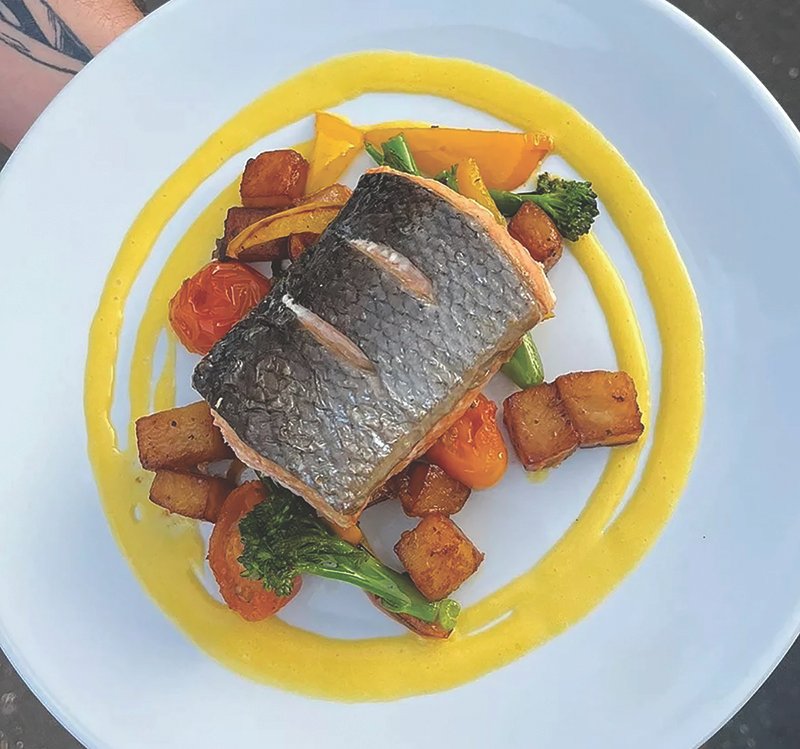
It would probably be a sea bass. It is quick to prep and cook, it tastes great and it pares with cream sauces, salsa and just about anything .
What’s next for Matt Jenkins? Is there a dream restaurant, cookbook, TV project, or culinary challenge still on your bucket list?
I would love to cook on television definitely and a future cook book is something i have been working on quietly for some time. I am about to launch chefs’ greatest plates social media into a business and launch my brand. I’m currently the fastest growing Michelin plating curator on social media and i hold the largest digital collection of Michelin plating.
Have you ever ruined an expensive piece of fish? Be honest—we promise not to tell!
hahahaha yes i have! I remember very clearly when i was young i went for a working trial at Penny Hill Park, after prepping a crazy number of crabs the chef presented me with the biggest most slippery turbot I have ever seen. I then realised my filleting knife was not sharp enough, lets just say the first fillet i produced was strong five out of then.
You’re hosting a dinner party with Gordon Ramsay, Jamie Oliver and Rick Stein. Who gets to cook, who does the washing up, and who gets kicked out of the. kitchen?
I get the feeling that someone wont like the answer to this question. Gordon and Rick you are both cooking i will wash up and observe sorry Jamie Oliver you’re getting kicked out!